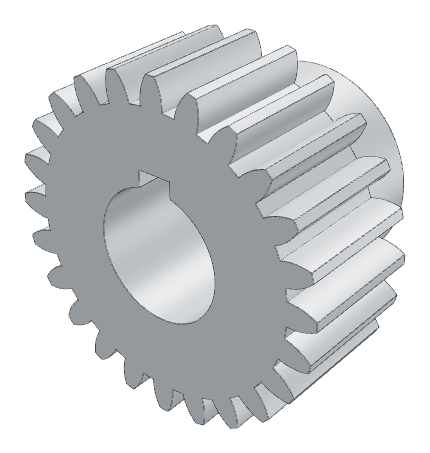
Standards we use
Dimensions you don't set yourself come from standards: tooth profile, keyway, belt grooves, fastener holes. Below is where each one comes from, template by template.
- per standarddimensions taken from the standard text
- being checkedentered from handbooks, being checked
- approximatebuilt from open data
- catalogueno standard — manufacturer catalogues
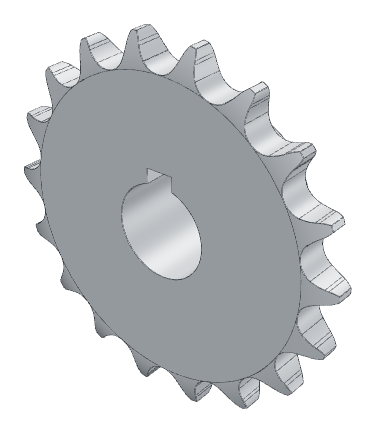
Chain sprocket
Open template →
Tooth profile
GOST 591-69
per standard
ISO chains
ISO 606 (A = ANSI B29.1, B = DIN 8187)
being checked
Motorcycle chains
ISO 10190
being checked
Taper Lock bush
manufacturer catalogues
catalogue
ISO 606 and motorcycle chain sizes were entered from reference data and are being checked against the standard text.
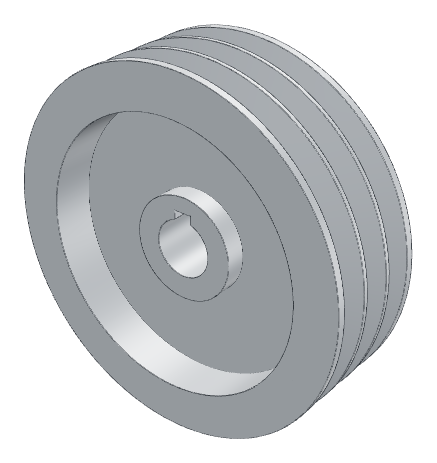
V-belt pulley
Open template →
Belt sections
GOST 1284.1
per standard
Taper Lock bush
manufacturer catalogues
catalogue
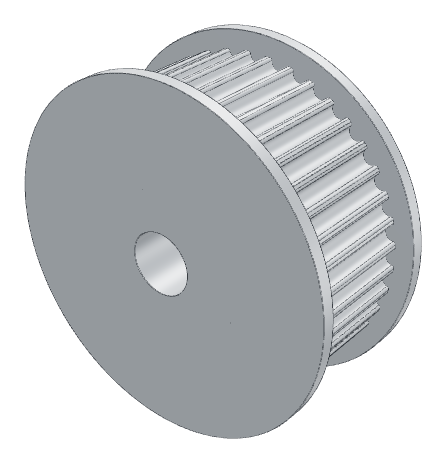
Timing belt pulley with hub
Open template →
Inch MXL…XXH
ISO 5294
per standard
HTD, GT, STD
ISO 13050
approximate
T, AT
ISO 17396 / DIN 7721
approximate
Taper Lock bush
manufacturer catalogues
catalogue
HTD, GT, STD, T and AT groove profiles are built from open data and marked “approximate profile” on the template page. That is enough for printing and most drives; exact figures will come once the standards are purchased.
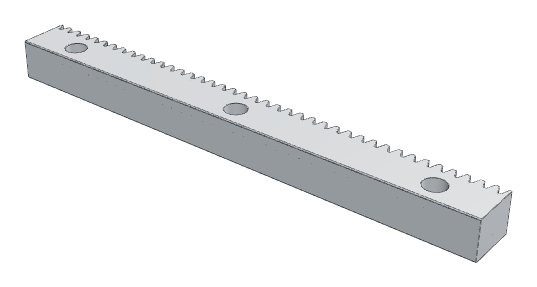
Spur gear rack
Open template →
Cross-sections
typical, catalogues
catalogue
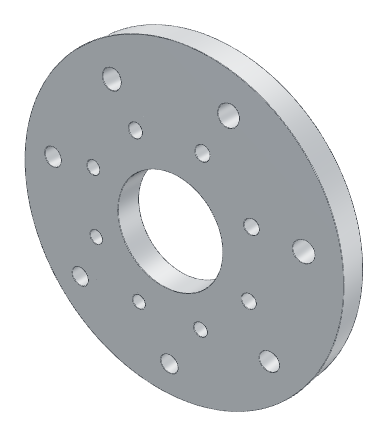
Round flange
Open template →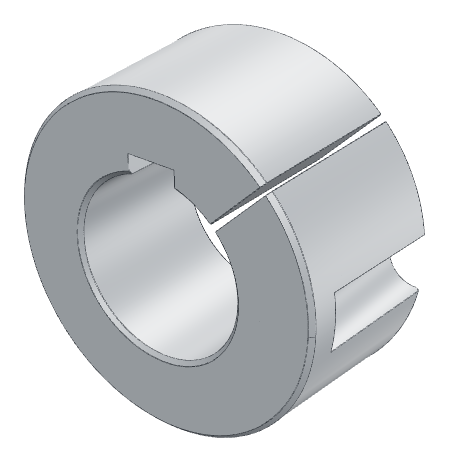
Taper Lock bushing
Open template →
Sizes 1008…3030
manufacturer catalogues
catalogue
For “New part”
When a part is described in words, the assistant takes dimensions from the same tables, plus shafts: retaining ring grooves GOST 13942-86 / DIN 471 and centre holes GOST 14034-74.
What the model does not define
- tolerances and fits;
- surface roughness;
- material, heat treatment, coating;
- technical requirements for the drawing.
That stays with the designer and the drawing.
Found a mismatch with a standard? Let me know and I'll fix it.